



Cart
You have no items in your shopping cart
Start with accurate measurements. Then use the size chart for the specific suit your team selected.
Competitive suits are designed to fit differently than fashion swimwear, and sizing can vary by brand and model. Your measurements plus the chart for your specific team suit are the best place to start.
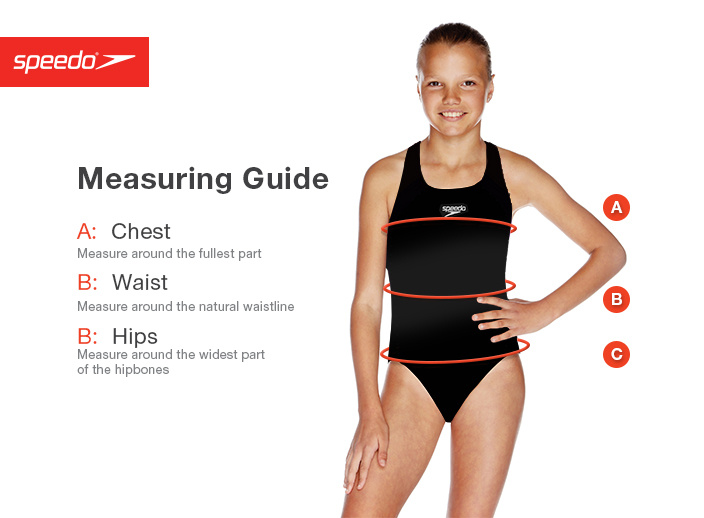
Not every suit uses every measurement, but having these numbers makes the size chart much easier to use.
Measure around the fullest part of the chest, keeping the tape level.
Measure the actual waist according to the suit manufacturer's chart. Do not use the size printed on jeans or pants.
Measure around the fullest part of the hips and seat with the tape level.
Start at one shoulder, run the tape down the front of the body, between the legs and back up to the same shoulder.
Pant size is not a reliable swimsuit measurement. Measure the swimmer and compare that number directly with the size chart for the jammer, brief or suit your team selected.
Compare chest, waist, hips and torso with the chart for the specific suit. If measurements fall into different sizes, do not automatically size down. The right choice depends on the suit model and the swimmer's proportions.
A competitive team suit should stay secure against the body while still allowing the swimmer to move normally.
This guide is intended for regular competitive and team swimsuits. Technical racing suits can fit much more aggressively and may use different sizing rules. Always use the manufacturer's chart and fitting instructions for the exact tech suit.
If the swimmer falls between sizes or different measurements point to different sizes, use the chart for the exact suit and consider the swimmer's proportions and preferred level of compression.
If you are still unsure, ask us before ordering. It is much easier to help before the wrong size gets worn in the pool.
Email [email protected] with the swimmer's measurements and the team or suit name. We'll help you confirm the best starting size.